
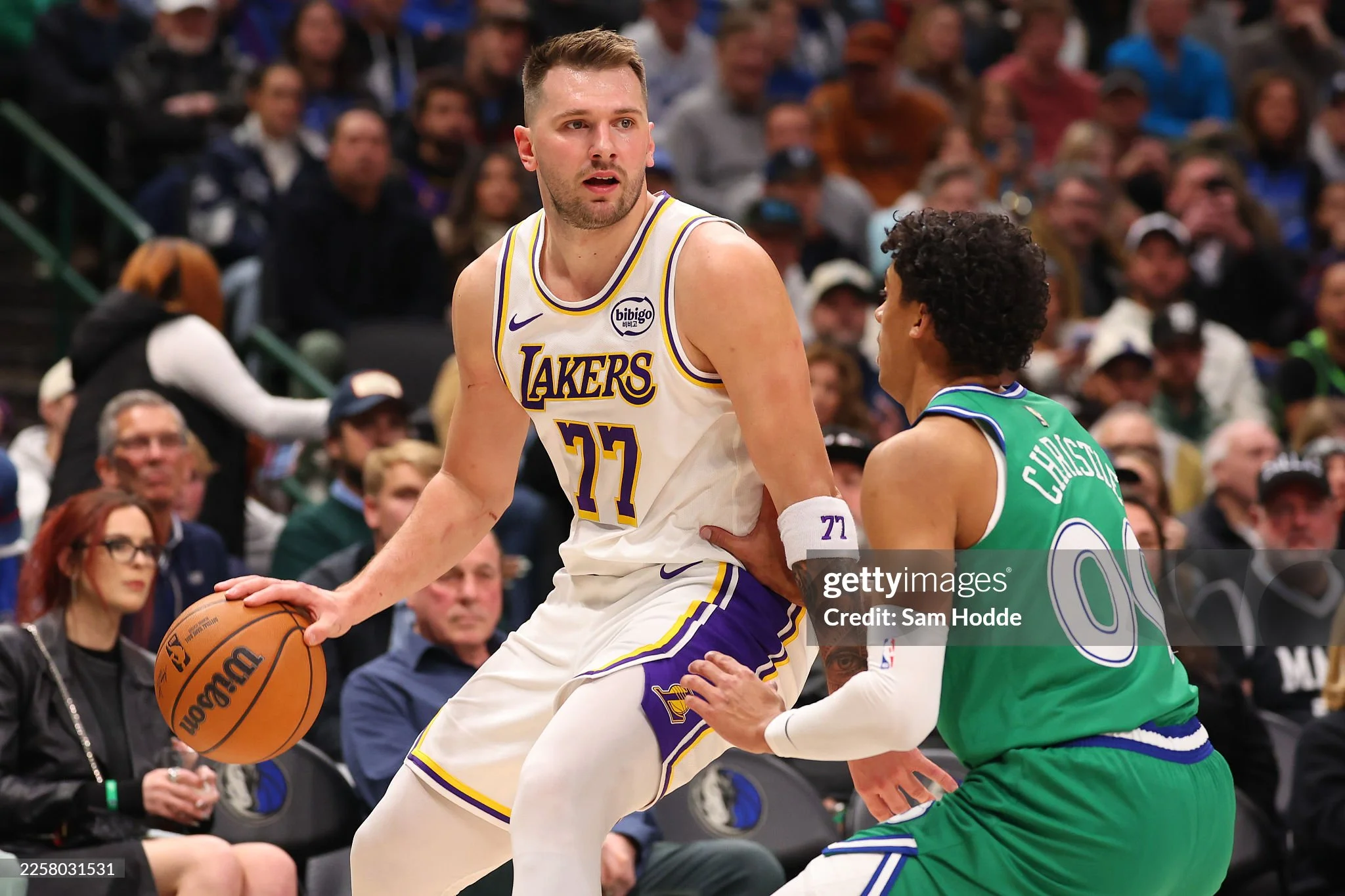
The Los Angeles Lakers delivered a resilient comeback performance, rallying to defeat the Dallas Mavericks 116–110 in a game defined by teamwork, rebounding dominance, and disciplined late-game execution.
Luka Dončić led the way with 33 points, eight rebounds, and 11 assists, but this victory was built on collective contributions rather than individual heroics. Rui Hachimura provided timely perimeter shooting, Jake LaRavia brought energy and efficiency off the bench, and the Lakers’ rotation sustained pressure throughout the final stretch.
Los Angeles finished the night shooting 44.4% from the field and a crucial 75.9% from the free-throw line, converting key opportunities to secure the win in the closing minutes.
Lakers Individual Performances
Dončić controlled the offense with poise, scoring efficiently and creating open looks for teammates while converting 93.3% of his free throws. Rui Hachimura added 17 points and eight rebounds, knocking down four of seven attempts from beyond the arc to punish defensive collapses.
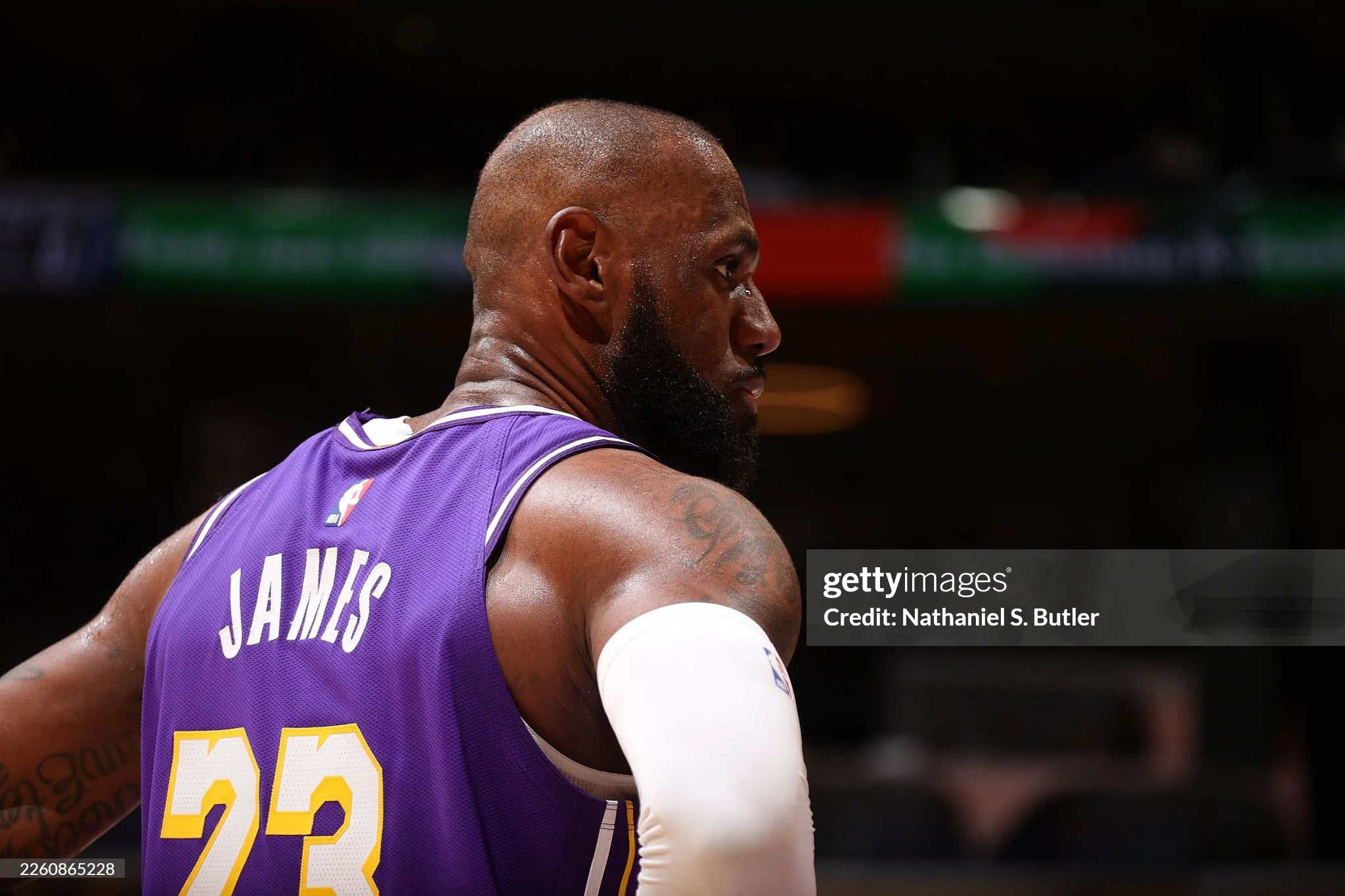
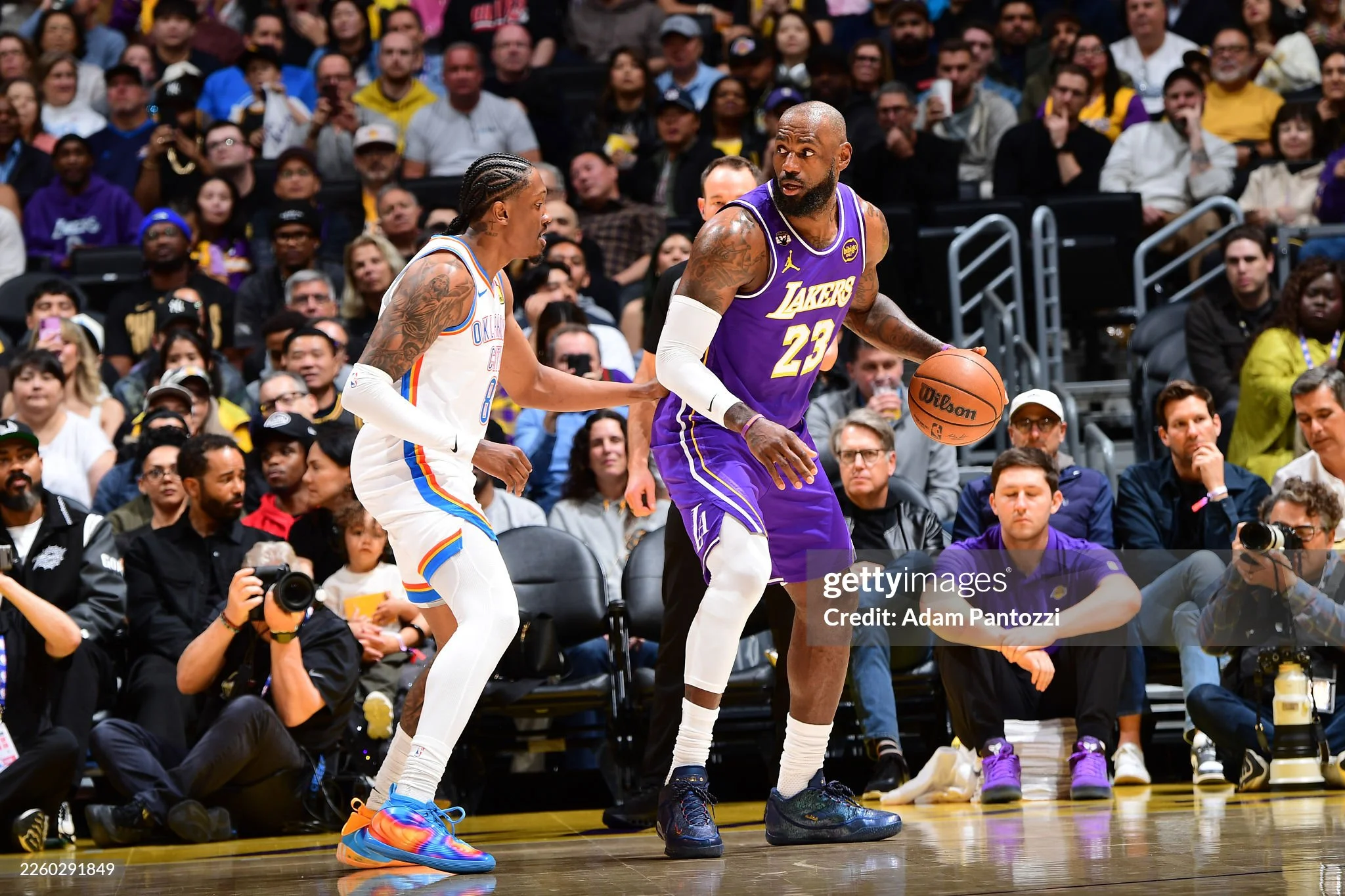
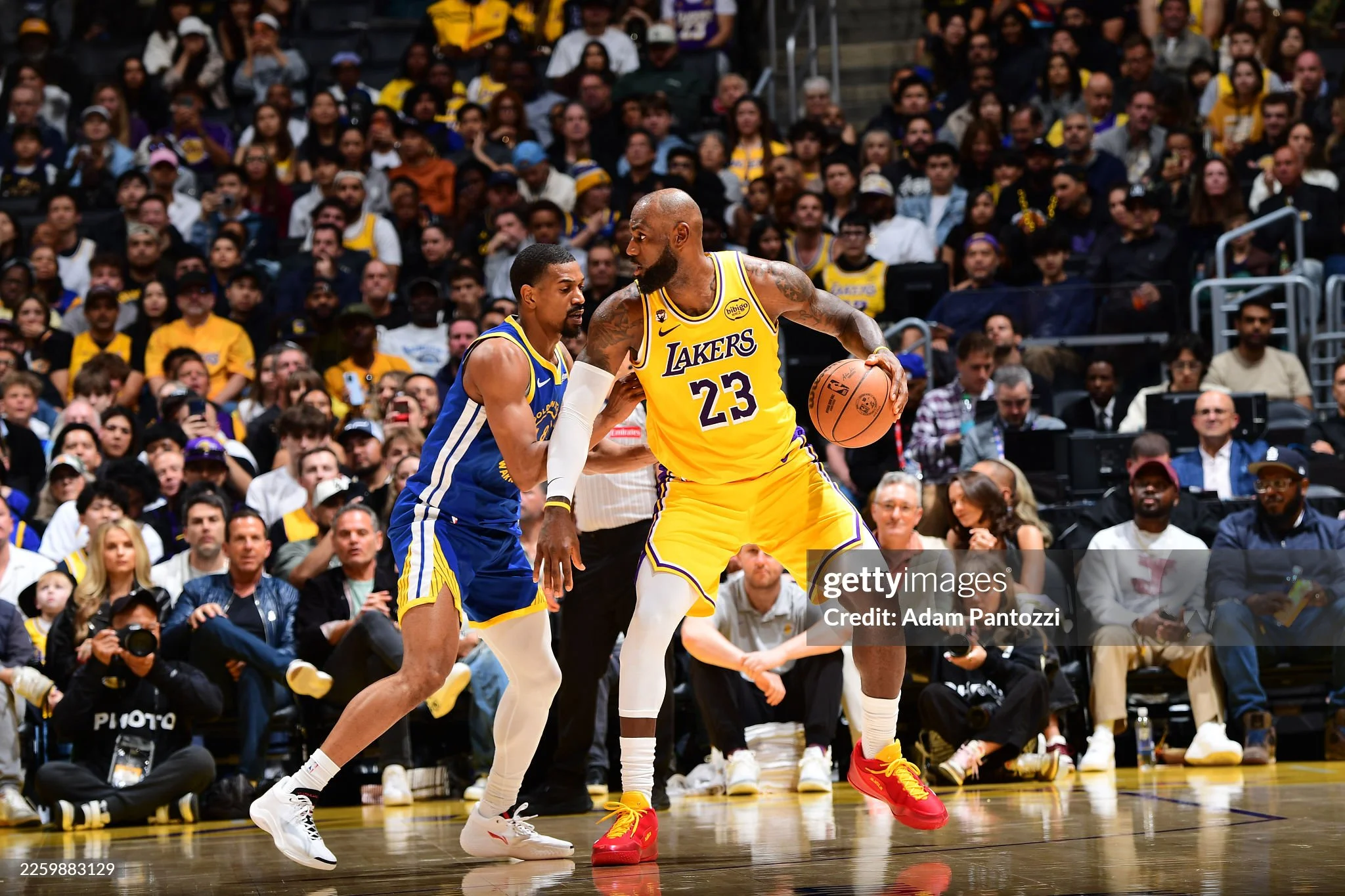
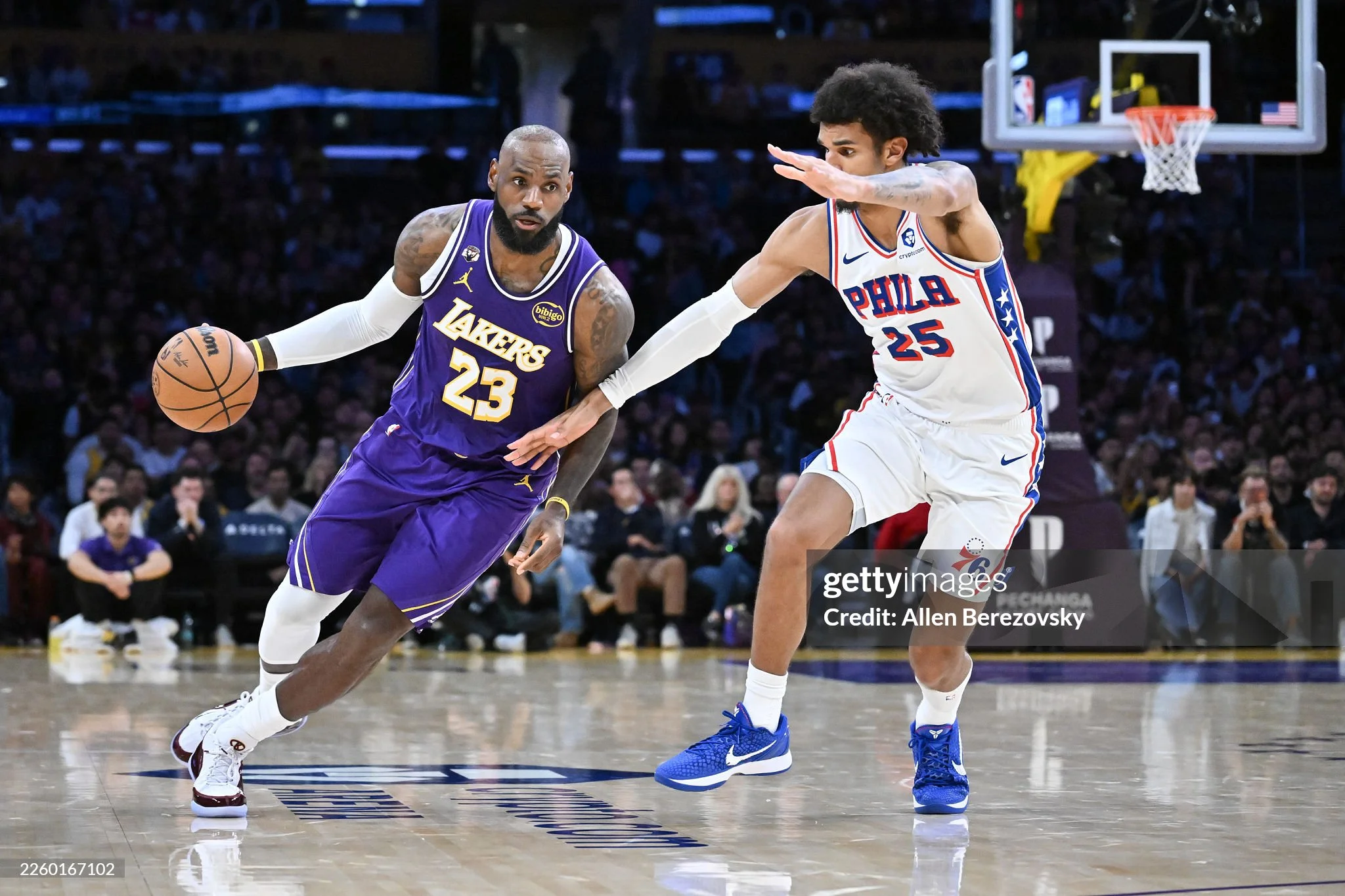
Jake LaRavia continued to make a case for consistent rotation minutes, scoring 13 points on 50% shooting while contributing on the glass. LeBron James posted a balanced line of 17 points, eight rebounds, and five assists, serving as an organizer and stabilizing presence when Dallas made runs.
The supporting cast, including Jaxson Hayes and Jarred Vanderbilt, played a key role defensively, helping the Lakers maintain physicality and limit clean second-chance looks late.
Mavericks Notes
Dallas remained competitive behind Max Christie (24 points) and Cooper Flagg (16 points), but struggled to match the Lakers’ interior presence. The Mavericks shot 41.5% from the field and 34.5% from three-point range—solid numbers that weren’t enough to offset Los Angeles’ volume advantage.
Rebounding proved decisive. The Lakers won the battle 66–54, including 16 offensive rebounds that generated critical extra possessions and helped swing momentum when outside shots weren’t falling.
Tactical Breakdown: Why the Lakers Won
The turning point came in the second half, when Los Angeles increased defensive intensity and forced tougher shot selections. Rotations tightened, passing lanes were contested, and Dallas’ primary creators were pushed into lower-efficiency looks late in possessions.
Rebounding control was the foundation. Dominating the glass translated directly into transition opportunities and steady offensive flow. Dončić acted as the primary engine, but patience in ball movement—especially finding Hachimura and LaRavia in space—produced higher-quality shots.
Free-throw efficiency also mattered. The Lakers converted 22 of 29 attempts, calmly closing the door when Dallas resorted to fouling.
Areas to Monitor
Three-point shooting was effective in stretches but uneven overall, making shot selection and continued ball movement essential. Turnovers (14) and personal fouls (20) remain areas for improvement, particularly in close games where margins are thinner.
Still, the Luka–LeBron pairing surrounded by shooters and active rebounders continues to stress opposing defenses that struggle to help without conceding the perimeter.
Join the Discussion
0 Comment(s)
Login to join the discussion: